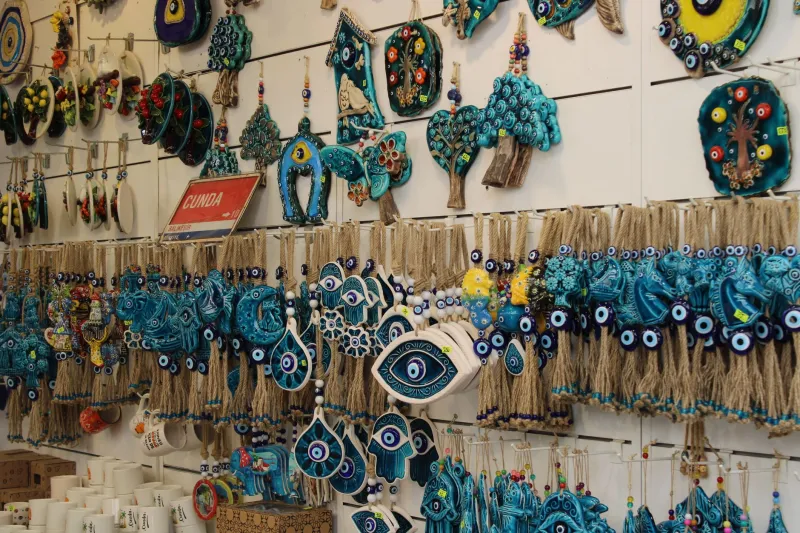
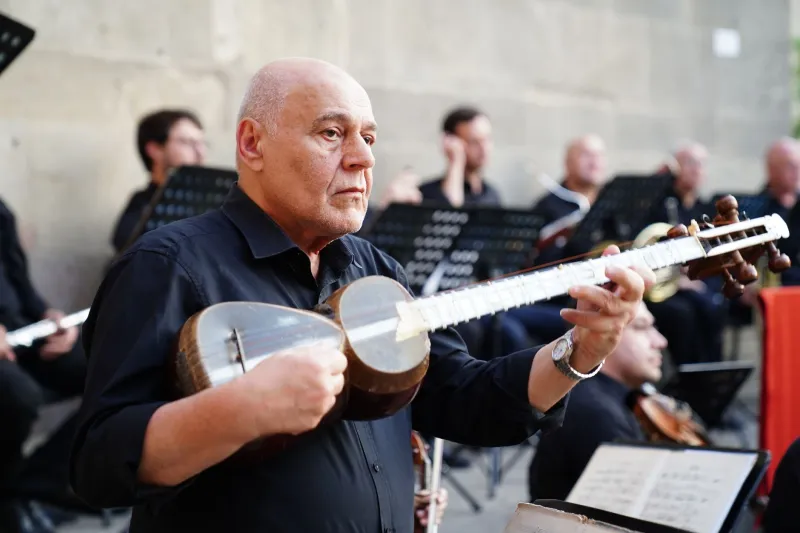
Oud, Amber, and Attar: How Middle Eastern Perfume Houses Are Winning Over America's Nose
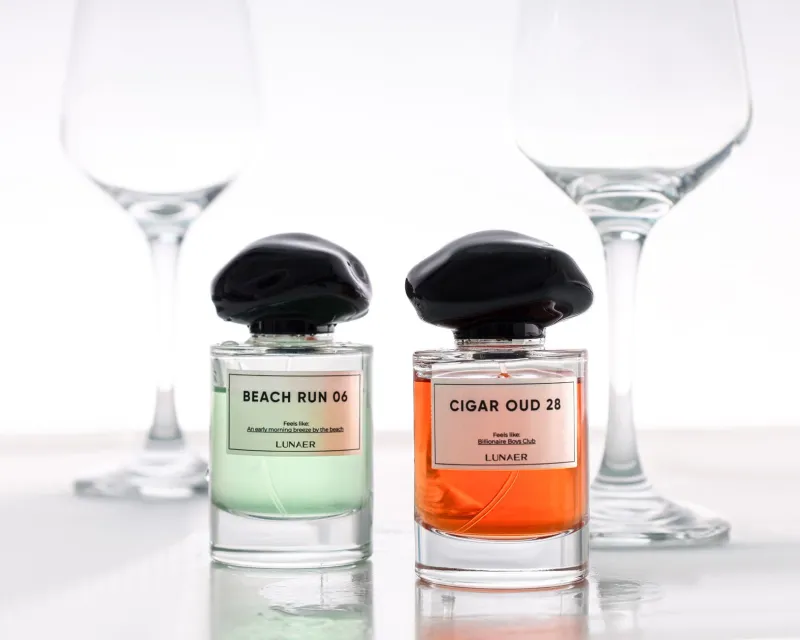
Walk into any serious fragrance forum online right now — Reddit's r/fragrance, TikTok's #PerfumeTok, the niche corners of YouTube where people dedicate twenty-minute videos to sniffing things — and you'll notice a pattern. The names dominating conversation aren't Chanel or Dior. They're Nishane, Xerjoff, Rasasi, Maison Tahara. They're small houses out of Istanbul, Dubai, Beirut, and Riyadh. They're brands that didn't exist in the American mainstream five years ago and are now sitting on waiting lists.
Something is happening in the American fragrance world, and it smells like oud.
The Niche Fragrance Boom Has a Middle Eastern Heartbeat
The so-called "niche perfumery" movement has been building in the US for over a decade — a consumer backlash against the mass-market, celebrity-endorsed, aggressively marketed scents that dominated the 2000s. Shoppers started craving something with more substance. More story. More soul.
That opening created a lane, and Middle Eastern and Turkish perfume houses drove straight through it.
Take Istanbul-based Nishane, founded in 2012 by Mert Güzel and Murat Katran. What started as a deeply personal project rooted in Ottoman culture and Turkish artisanship has become one of the most talked-about niche houses globally. Their scents carry names like Hacivat — a reference to a classic Turkish shadow puppet character — and the compositions themselves weave together ingredients that feel ancient and modern simultaneously. In the US, Nishane is now stocked at Twisted Lily, Luckyscent, and a growing number of independent boutiques in cities like New York, Los Angeles, and Chicago. Their fans don't just wear the perfume. They identify with it.
That's the shift worth paying attention to.
Scent as Identity, Not Just Accessory
For a long time, fragrance in the American market was treated like the finishing touch — you spritzed on something from a recognizable bottle and moved on. The logo on the box mattered as much as what was inside it. But younger American consumers, particularly millennials and Gen Z, have fundamentally changed how they think about scent.
Fragrance is now personal branding. It's an extension of identity in the same way a tattoo or a vintage find is. And that shift has made storytelling — real, specific, culturally rooted storytelling — the most valuable currency in the perfume industry.
Middle Eastern and Turkish houses have that storytelling in abundance. When a brand like Abdul Samad Al Qurashi, founded in Mecca in 1852, releases an oud blend, it's not manufacturing heritage — it has heritage. When Istanbul perfumers talk about sourcing Bulgarian rose from the Valley of Roses or Turkish saffron from Safranbolu, they're not doing marketing copy. They're describing actual supply chains, actual places, actual traditions.
American consumers who have grown increasingly skeptical of corporate "authenticity" can feel the difference.
The Oud Mystique
If there's one ingredient that has become the symbol of this whole movement, it's oud — also known as agarwood, the resinous heartwood of Aquilaria trees infected with a specific mold. It's one of the most expensive raw materials on earth. It smells like nothing else: deep, animalic, smoky, sweet, and complex in a way that's genuinely hard to describe until you've experienced it.
For centuries, oud has been central to Gulf Arab culture — burned as incense, worn as perfume, gifted at weddings and celebrations. In Turkey, similar traditions exist around attar (concentrated natural perfume oils) and the ritual of scenting one's home and clothing. These weren't luxury habits reserved for the wealthy; they were cultural practices embedded in daily life.
When oud started appearing in Western niche perfumery in the early 2000s — first through houses like Tom Ford and then through more authentic Middle Eastern brands — it landed like a revelation. American noses, trained on clean aquatics and fresh florals, encountered something genuinely other. Something that required sitting with. Something that changed on your skin over hours.
Now, TikTok's #OudPerfume tag has hundreds of millions of views. Fragrance influencers do blind comparisons of oud from different regions. People are spending $200, $400, $600 on a single bottle without flinching — because they understand what they're buying.
The Diaspora Connection (and the Bridge It Builds)
For Turkish and Arab Americans, this trend carries a particular kind of meaning. Fragrance houses from the old country showing up on American shelves isn't just a market trend — it's a form of cultural recognition.
Growing up, many diaspora kids remember the oud incense their grandparents burned, the rose water that appeared at every gathering, the specific scent of a grandmother's kitchen or a mosque after Friday prayers. These sensory memories are powerful and deeply personal. Seeing those same ingredients and traditions now celebrated in upscale American boutiques and fawned over by fragrance influencers creates a complicated but often satisfying feeling: we knew this was special all along.
And those diaspora communities are often the first bridge between the brands and the broader American market. Word of mouth from someone who grew up with Rasasi or Ajmal carries a different kind of credibility than any influencer campaign.
What's Actually Driving the Sales
Let's be honest about the economics for a second. The American fragrance market is enormous — valued at over $9 billion and growing. Niche and artisan brands now account for a significant and fast-growing slice of that. According to industry analysts, consumers are trading up: buying fewer perfumes but spending more on each one.
Middle Eastern and Turkish houses have positioned themselves smartly in that sweet spot. They offer genuine luxury — rare ingredients, small-batch production, hand-blown bottles — at prices that undercut European legacy houses while offering more complexity and longevity. Oud-based fragrances in particular are known for their incredible staying power; a single application can last twelve hours or more.
For a consumer who's tired of reapplying their $150 designer scent every few hours, a $250 oud-forward perfume that lasts all day and evolves beautifully starts looking like a very reasonable investment.
The Boutique Effect
One underrated factor in all of this is the rise of specialty fragrance boutiques in American cities. Stores like Osswald NYC, Twisted Lily in Brooklyn, and Scent Bar in Los Angeles have become cultural hubs where customers can spend an afternoon sampling and learning. These spaces actively champion Middle Eastern and Turkish houses because their customers respond to them.
The staff at these boutiques aren't just salespeople — they're educators. And the story of a small Turkish house crafting perfume with Anatolian ingredients, or a Lebanese perfumer reviving pre-war Beirut scent traditions, is exactly the kind of story that resonates in that environment.
A Smell That Stays
There's something fitting about the fact that it's scent — the most memory-linked of all the senses — that's becoming one of the primary ways Turkish and Middle Eastern culture is reaching American consumers who might never have engaged with it otherwise.
You can put on a fragrance from a house in Istanbul and spend a whole day carrying something of that city with you. That's not nothing. That's actually everything the niche perfume movement has been promising — and for once, the delivery is completely living up to the hype.