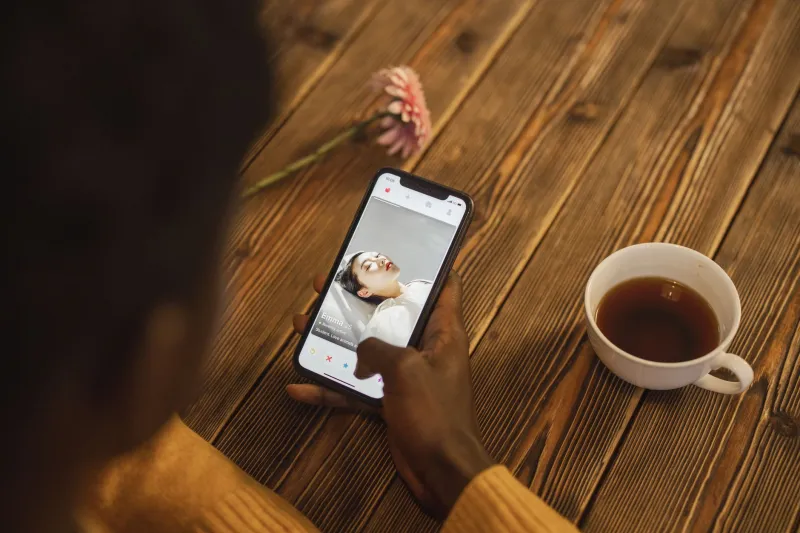
Drop the Algorithm: How Turkish Pop and Arabic Hip-Hop Snuck Into America's Most-Played Playlists
Nobody planned for this. There was no marketing campaign, no late-night talk show moment, no label-backed push into American radio. And yet, if you scroll through the Spotify wrapped stats of a surprising number of Gen Z listeners in cities like Chicago, Houston, and Los Angeles, you'll find names that most of their parents can't pronounce — Ezhel, Cairokee, Murda Beatz, Wegz. Turkish pop and Arabic hip-hop didn't just knock on the door of American music culture. They walked in through the back, turned the music up, and stayed.
So how exactly did that happen?
The Algorithm Did What Radio Wouldn't
For decades, breaking into the American market meant playing by very specific rules — English lyrics, a major label deal, and ideally a feature from someone already famous in the US. That playbook is basically obsolete now. Streaming platforms don't care about borders the way radio programmers did, and recommendation engines don't discriminate by language.
Jamila Osman, a music curator based in Brooklyn who runs a popular playlist channel focused on global sounds, has been watching this shift in real time. "I started adding Turkish and Arabic tracks to my playlists about three years ago, mostly for personal reasons — I grew up listening to some of this stuff at home," she says. "But the engagement was wild. Listeners who had never heard of these artists were saving songs, asking for more. The algorithm kept feeding it back to them."
That feedback loop is exactly what's been driving the surge. A listener stumbles onto a Wegz track after a Spotify session, saves it without fully understanding why, and three weeks later they're deep in a rabbit hole of Egyptian trap music. It sounds improbable. It's happening constantly.
What's Actually in the Music
The easy explanation is that global music is just having a moment — and that's partially true. But Turkish pop and Arabic hip-hop carry something specific that's resonating with American listeners beyond novelty.
Take the production side first. A lot of what's coming out of Istanbul and Cairo right now sounds genuinely cinematic. Artists like Ezhel layer traditional maqam scales over 808 basslines in ways that feel simultaneously ancient and futuristic. Murda Beatz — Canadian by birth but Turkish by heritage — has been producing for Drake and Nicki Minaj for years while quietly incorporating Anatolian textures into his beats. When American listeners encounter that sound, something registers even if they can't name it.
"There's an emotional complexity in the melodies that a lot of Western pop has kind of abandoned," says Marcus Webb, a 24-year-old music blogger from Atlanta who started covering Middle Eastern music last year. "The sadness hits different. The hooks are structured differently. Your brain doesn't know exactly where it's going, and that's actually exciting."
Arabic hip-hop adds another layer. Artists like Daboor and El Waili are rapping about experiences — immigration, family pressure, hustle, identity — that translate across cultures without needing a translation. The specifics are different, but the emotional core isn't.
The Diaspora Bridge
None of this happens in a vacuum, and it definitely doesn't happen without the Turkish and Arab American communities who've been seeding this music into American social spaces for years. House parties in Dearborn. Restaurant playlists in Paterson, New Jersey. Group chats where someone drops a new Soolking video at midnight.
The diaspora has always been the connective tissue between cultures, and in the streaming era, that role has expanded. When a second-generation Turkish American in Dallas posts a TikTok dancing to a Cem Belevi track, that video doesn't stay inside the community. It travels. And when curious non-Turkish viewers follow the audio, that artist picks up streams they never would have gotten through traditional channels.
Selin Arslan, who manages social content for a Middle Eastern music collective in Los Angeles, puts it plainly: "We were never trying to 'break' this music in America in the industry sense. We were just sharing what we loved. The fact that it's connecting with people outside our communities is honestly kind of beautiful."
Genre Fusion Is the Point
One reason this music translates so well is that it was never purely traditional to begin with. The artists making waves in American playlists right now are themselves products of cross-cultural listening. They grew up on American rap, British grime, and K-pop alongside Arabic classical music and Turkish folk. That blending isn't a marketing strategy — it's just what their musical diet looked like.
Cairokee, the Egyptian indie rock band that became a soundtrack to the Arab Spring and never really stopped being relevant, pulls from everything from Radiohead to classic Egyptian cinema composers. Their sound is impossible to pin down geographically, which is exactly why it travels.
For American listeners raised on genre-blending artists like Bad Bunny or Burna Boy — both of whom helped normalize non-English music in mainstream US spaces — encountering Turkish or Arabic artists who operate with the same creative freedom feels natural. The door that reggaeton and Afrobeats opened is wide, and a lot of artists are walking through it.
What Curators Are Saying
Playlist curators, who have become some of the most influential tastemakers in the streaming era, are paying attention. Several independent curators told İst Dünya that they've seen consistent growth on playlists featuring Turkish and Arabic music over the past two years, with listener demographics skewing heavily toward 18-to-30-year-olds in major American metros.
"I think people are genuinely hungry for music that feels like it comes from somewhere real," says Osman. "There's so much polished, focus-grouped pop out there. When you hear something that carries the weight of a whole culture behind it — even if you don't fully understand that culture yet — you feel it."
That hunger for authenticity is a recurring theme in conversations about why this music is landing the way it is. American audiences aren't just consuming Turkish pop and Arabic hip-hop as exotic curiosities. They're adding it to workout playlists, study sessions, late-night drives. It's becoming functional music in American daily life, which is the quietest and most meaningful kind of mainstream success.
What Comes Next
The question isn't really whether Turkish and Arabic music will keep growing in American streaming — the numbers suggest it will. The more interesting question is what happens when the industry catches up. Major labels have already started signing artists from the region with explicit eyes on Western crossover. That attention brings resources, but it also brings pressure to sand down the edges that make the music interesting in the first place.
For now, the most exciting stuff is still happening outside those structures. It's happening in the playlists that don't have label money behind them, in the TikTok sounds that spread because someone genuinely loved a song, in the recommendation rabbit holes that no marketing team engineered.
The Istanbul playlist effect, as it turns out, works best when nobody's trying to make it happen.