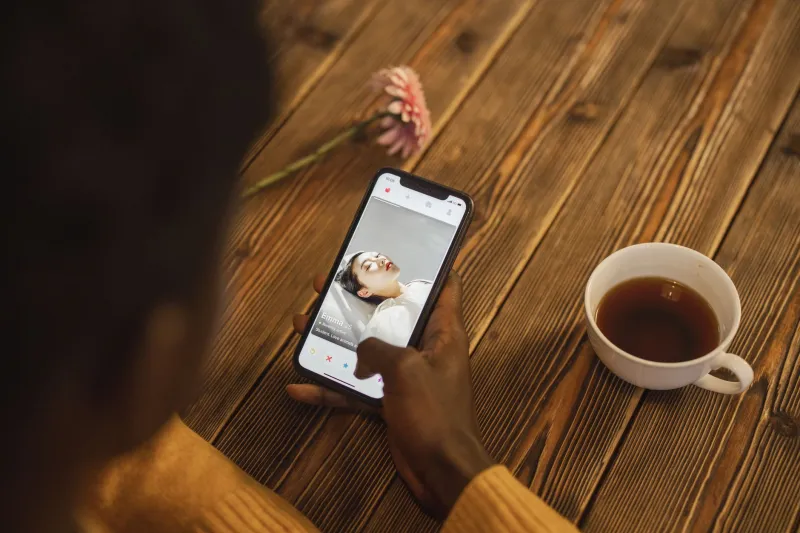
Blue Eyes and Hamsa Hands: How Ancient Protective Charms Became Gen Z's Favorite Anxiety Hack
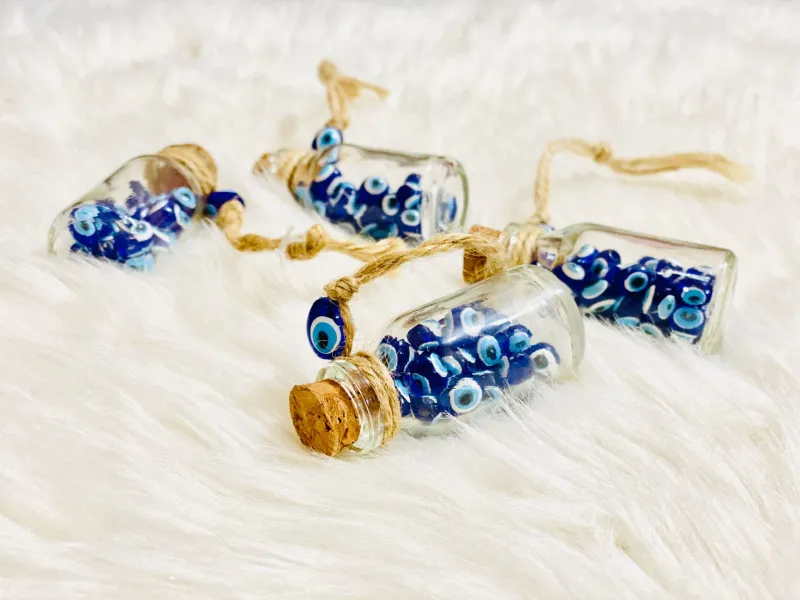
Walk into almost any Brooklyn boutique, scroll through a college student's TikTok, or peek at the jewelry stacked on a 22-year-old's wrist these days, and you'll spot it: that unmistakable cobalt blue circle, ringed in white and black, staring right back at you. The nazar boncuğu — the Turkish evil eye amulet — has officially left the old neighborhood and moved into the mainstream. And it brought the hamsa hand along for the ride.
This isn't just a vibe shift. It's a full-on cultural moment, and it's worth paying attention to.
From Grandma's Wall to Your FYP
For Turkish and Middle Eastern families in the US, the evil eye has always been just... there. Hanging above the front door. Pinned to a baby's onesie. Tucked into a new car. The nazar — from the Arabic word for "sight" or "gaze" — is one of the oldest protective symbols in the world, rooted in the belief that envy or an ill-intentioned stare can bring real harm to a person, a home, or a business. The hamsa, a palm-shaped amulet popular across the broader Middle East and North Africa, carries similar energy: protection, blessings, deflection of the bad stuff.
For generations of diaspora kids, these objects were cultural shorthand, sometimes even a source of mild embarrassment when non-Turkish or non-Arab friends came over and asked what that glass eye thing on the wall was about.
Then Gen Z got anxious — historically, collectively, chronically anxious — and suddenly the evil eye started making a lot of sense to people who'd never heard of it before.
The Anxiety Economy Meets Ancient Symbolism
Let's be honest about the context here. Gen Z in the US is navigating a genuinely rough landscape: student debt, climate dread, social media comparison spirals, a job market that keeps shapeshifting. The wellness industry — crystals, astrology apps, sound baths, adaptogenic lattes — has exploded precisely because young people are looking for tools to feel grounded when everything feels unstable.
Enter the talisman.
"People come in asking for the evil eye specifically because they saw it on TikTok, but once we start talking about what it actually means, they get really into the history," says Maya, who co-owns a crystal and spiritual goods shop in Austin, Texas. "It's not superficial for them. They want to know where it comes from. They want it to mean something."
That desire for meaning is key. Unlike a generic "good vibes only" print or a mass-produced inspirational mug, the nazar carries centuries of actual cultural weight. It comes from somewhere real. It was worn by real people who believed in it. For a generation that's grown up skeptical of corporate wellness branding, that authenticity hits different.
What Turkish and Middle Eastern Communities Actually Think
Opinions within Turkish and Arab American communities are genuinely mixed, and that's a conversation worth having.
Some diaspora members are delighted. Seeing symbols their grandmothers wore being embraced by a broader American audience feels like a form of cultural recognition — a reversal of the erasure many immigrant families experienced. "My mom used to be embarrassed to hang the nazar at her restaurant because she thought it would seem weird to American customers," says Defne, a second-generation Turkish American living in Chicago. "Now her customers are asking her where they can buy one. She thinks it's hilarious and also kind of amazing."
Others are more cautious. The line between appreciation and appropriation is real, and when a symbol that carries deep spiritual or religious significance for some families gets flattened into a trendy accessory, something can get lost. There's also the question of who's making money: when fast fashion brands mass-produce nazar pendants with zero connection to Turkish or Middle Eastern artisans, the cultural exchange becomes a little one-sided.
"I don't mind people loving the evil eye," says Layla, a Lebanese American spiritual practitioner based in Los Angeles. "I mind when it gets stripped of all meaning and sold for $4 at a chain store. Buy it from someone who actually knows what it is. Learn what it means. That's the respectful way to do it."
The TikTok Effect Is Real — But It's Not the Whole Story
Search #evileye on TikTok and you'll find millions of posts: haul videos, "my protection ritual" walkthroughs, aesthetic flat lays of blue glass beads next to matcha and crystals. The algorithm has absolutely turbocharged the trend. But the deeper pull seems to go beyond aesthetics.
Psychologists who study ritual behavior point out that humans have always used symbolic objects to manage uncertainty. Wearing a protective amulet, regardless of whether you believe in its literal power, can create a sense of agency — a feeling that you're doing something to protect yourself in a world that often feels out of control. For Gen Z, who grew up with more information about global threats than any previous generation, that psychological function is genuinely valuable.
"It's not that different from knocking on wood or not walking under a ladder," notes one behavioral wellness coach who works with young adults in New York. "We're wired to want protective rituals. The evil eye just happens to be beautiful, it has a rich story behind it, and it photographs really well."
That last part matters more than it might seem. The nazar is, objectively, a striking object. The deep blue against white and black is visually arresting in a way that translates perfectly to Instagram grids and TikTok thumbnails. Aesthetics opened the door. Meaning is what's keeping people inside.
How to Engage With These Symbols Thoughtfully
If you're someone who's been drawn to the evil eye or hamsa recently, here are a few things worth knowing before you buy:
- Source matters. Look for pieces made by Turkish or Middle Eastern artisans, or shops that are transparent about where their goods come from. Etsy has a solid community of diaspora makers selling authentic handcrafted pieces.
- Learn the story. The nazar is specifically rooted in Turkish and broader Anatolian tradition, while the hamsa has deep ties to Jewish, Islamic, and broader Middle Eastern cultures. They're related but distinct. Knowing the difference is part of respecting what you're wearing.
- Ask questions. If you're buying from a spiritual shop, talk to the owner. Most of them — especially those from relevant cultural backgrounds — love explaining the history and will help you find something that actually resonates.
- It's okay to just like it. Cultural exchange, done with curiosity and respect, is genuinely how cultures grow and connect. You don't have to be Turkish or Lebanese to find meaning in a protective symbol. Just carry it with some awareness.
The Bigger Picture
What's happening with the evil eye and hamsa is part of a larger story about how Turkish and Middle Eastern culture is moving through American life right now — not as exotic backdrop, but as something people are actively seeking out, engaging with, and finding real value in. That's a meaningful shift.
For diaspora communities who've spent decades feeling like their traditions were invisible or misunderstood in mainstream American culture, watching a 19-year-old in Ohio carefully choose a handmade nazar pendant and actually know what it means is something. It's not everything. The conversations about commercialization and cultural respect still need to happen. But the curiosity is real, and curiosity is always a decent place to start.
The evil eye has been watching over people for thousands of years. Apparently, it's got a lot more people to look after now.