Rose Water, Argan Oil, and Pomegranate: How Middle Eastern Beauty Brands Are Taking Over American Shelves
Walk into any Sephora in a major American city right now and you'll notice something shifting. Between the legacy French skincare lines and the K-beauty endcaps, there's a quieter revolution happening — small-batch serums with Arabic script on the packaging, Turkish botanical creams with ingredient lists that read like a Mediterranean spice market, and TikTok creators raving about pomegranate enzyme masks sourced from brands most Americans couldn't have named two years ago.
Middle Eastern and Turkish beauty is having its moment. And unlike a lot of beauty trends, this one has centuries of receipts.
The Ingredients Were Never a Secret — Just Overlooked
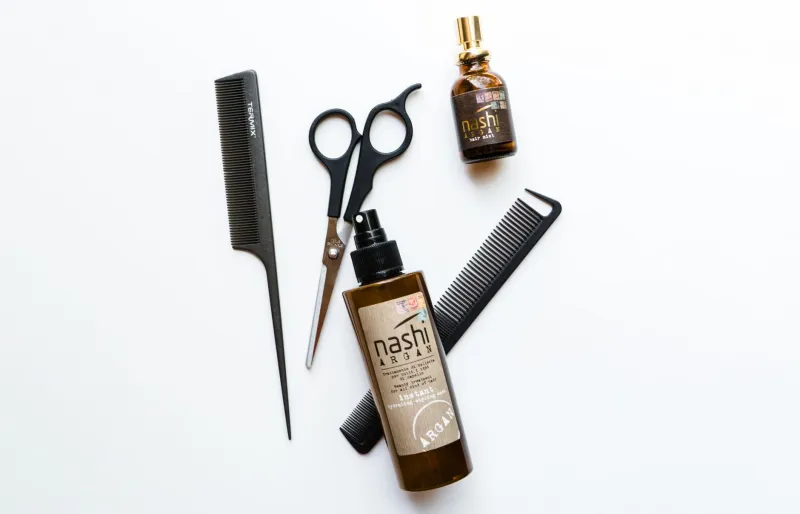
Rose water has been a staple of Ottoman beauty rituals since at least the 10th century. Argan oil — sometimes called "liquid gold" — has been pressed from Moroccan argan trees for generations, used by Berber women for everything from hair conditioning to cooking. Pomegranate, packed with ellagic acid and antioxidants, has been a fixture of Persian and Levantine skincare traditions long before the word "antioxidant" ever appeared on a product label.
What's changed isn't the ingredients. It's the audience.
"American consumers are finally catching up to what our grandmothers already knew," says Lara Kaya, a Turkish-American esthetician based in Chicago who has been formulating small-batch skincare products under her brand Narin Skin for the past three years. "My büyükanne used to rinse her face with rose water every single morning. No SPF, no retinol — just that. She had incredible skin into her eighties. There's something to that."
Kaya's brand, which she launched out of her apartment during the pandemic, now ships to customers in 22 states. Her bestseller is a two-ingredient toner — Turkish rose water and a trace of glycerin — that retails for $18. It has over 4,000 five-star reviews.
Affordable, Efficacy-First, and Unapologetically Regional
One of the defining features of this new wave of Middle Eastern beauty brands is the price point. While Western prestige skincare has spent the last decade conditioning consumers to equate high cost with high quality, brands like Carapex, which draws on North African botanical traditions, and regional Turkish formulators entering the US market through platforms like Amazon and direct-to-consumer websites, are proving that efficacy doesn't have to come with a $90 price tag.
Dr. Selin Arslan, a dermatologist practicing in New York City who grew up in Ankara, sees this shift playing out in her own patient base. "I have patients — especially younger ones, Gen Z and younger millennials — who come in and they're already using really solid products. Niacinamide from a Turkish brand they found on TikTok. A Moroccan rhassoul clay mask. They're not spending a fortune and their skin barrier is in great shape."
She's careful to note that not every traditional ingredient translates perfectly to modern dermatology. "Some things need more clinical research. But ingredients like argan oil, pomegranate extract, and sea buckthorn? The science is genuinely there. These aren't just vibes."
TikTok Is the New Souk
If you want to understand how this trend gained momentum so fast in the US, look at your phone. TikTok's #TurkishSkincare hashtag has racked up hundreds of millions of views, with creators from the diaspora — and curious outsiders — doing side-by-side comparisons, ingredient deep-dives, and "my Turkish mom's routine" videos that consistently go viral.
The content is personal in a way that brand marketing rarely is. It's a second-generation Turkish-American in New Jersey showing her followers the rose hip oil her aunt mailed from Istanbul. It's a Yemeni creator in Houston breaking down why sidr honey has been used on skin in the Arab world for centuries. It's real people with real skin talking about real products — and that authenticity is exactly what younger American consumers are craving.
"I don't trust a brand campaign," says Maya, a 24-year-old based in Austin who describes herself as a skincare obsessive. "I trust the girl on TikTok whose skin looks amazing and is telling me her mom's been using this Turkish rose oil for forty years. That's different."
Maya says she's replaced three of her previous skincare steps with products she discovered through Middle Eastern beauty creators. Her current Holy Grail: a pomegranate and turmeric face mask from a small Arab-American brand she found through a creator she follows. Total cost: $22.
Diaspora Founders Are the Bridge
What makes this particular beauty wave distinct from the appropriation-adjacent way Western brands have historically mined global traditions for ingredients is who's doing the selling. Many of the brands gaining traction right now are founded and operated by people from the region — Turkish-Americans, Arab-Americans, first and second-generation immigrants who grew up with these ingredients in their homes and are now building businesses around them with full cultural context intact.
That matters, both ethically and commercially. Consumers — especially younger ones — are increasingly savvy about the difference between a brand that genuinely comes from a tradition and one that's simply borrowed an exotic-sounding ingredient for its label copy.
"I wanted to build something that my mother would recognize," says one Brooklyn-based founder of a Turkish botanical skincare line who asked to be identified only by her first name, Defne. "Not something that just slaps 'rose water' on the label and calls it Ottoman-inspired. I'm talking about actual formulations, actual sourcing, relationships with distillers in Isparta. That's the difference."
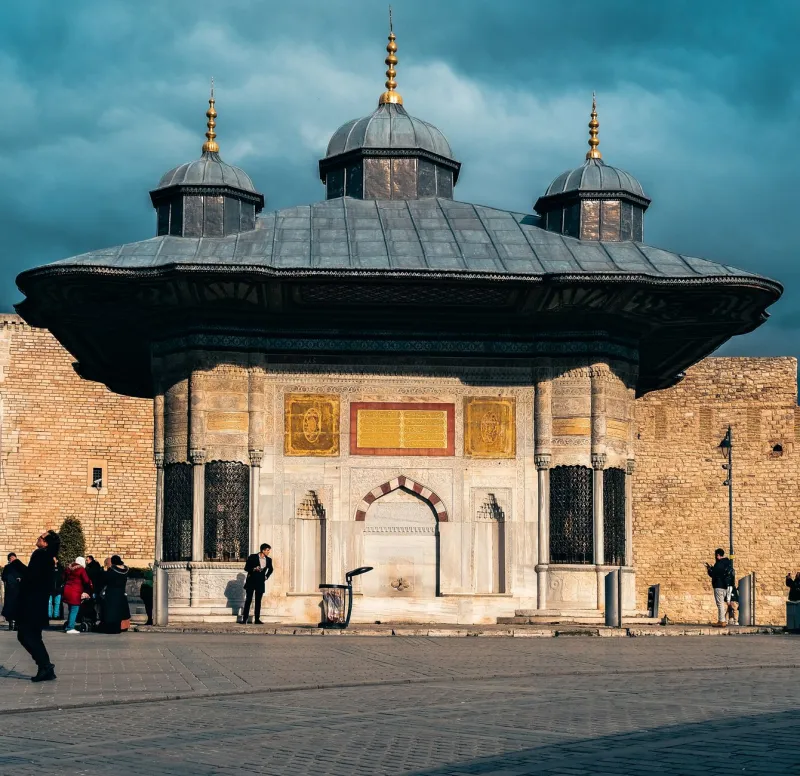
Isparta, for the uninitiated, is a city in southwestern Turkey sometimes called the "rose capital of the world." It produces a significant portion of the world's rose oil and rose water — and it's the kind of specificity that serious beauty consumers are starting to care about.
What's Next for Middle Eastern Beauty in America
Industry observers are watching closely. Several major US retailers have reportedly been in conversations with Turkish and Arab beauty brands about expanded shelf placement. The global halal cosmetics market — products formulated without alcohol and animal-derived ingredients, which overlap significantly with many Middle Eastern beauty traditions — is projected to reach over $100 billion by 2030, with North America representing a growing slice of that.
For now, though, the energy is still very much grassroots. It's in the diaspora WhatsApp groups where someone asks for a good Turkish eye cream recommendation and gets fifteen enthusiastic responses. It's in the Brooklyn apothecaries stocking small-batch oud-infused serums next to their CBD tinctures. It's in the comments section of a TikTok video where an Iranian-American creator swears by saffron-infused face oil and the replies are full of people saying their grandmothers used to do the same thing.
The beauty industry has always been global. The difference now is that the Middle East is finally getting credit for what it contributed — and building the brands to claim that credit directly.
Your skin might thank you for paying attention.