You Watched the Show. Now You Want the Furniture: How the Dizi Pipeline Sells a Whole Way of Life
Here's how cultural exports used to work: a country made a product, shipped it out, and hoped for the best. Here's how it works now: a Turkish dizi ends its 150th episode, an American viewer closes Netflix, opens Instagram, and thirty seconds later is being served an ad for a hand-knotted Oushak rug, a linen kaftan, and a Cappadocia balloon tour. The show was the ad. Everything else was the product.
We've spent years covering the streaming takeover — Turkish dramas and Arabic series quietly out-rating prestige TV among American viewers. But the dizi was never the destination. It was the front door.
From Screen to Shopping Cart
Follow the pipeline and it's remarkably consistent. The dramas sell a fantasy of daily life: sun-drenched Aegean villages, marble kitchens, endless tea, family dinners that last three hours. Viewers don't just want to watch that life — they want to have it. And unlike a fantasy world, this one ships.
Turkish home goods were the first movers. The nazar trend we've covered before is the obvious example, but look at the broader numbers: Turkish textile and home décor exports to the US have climbed steadily as the "Mediterranean minimalist" aesthetic — arched doorways, zellige-adjacent tiles, brass everything — has colonized American Pinterest boards. Interior designers now say "Istanbul modern" the way they once said "Scandi."
Fashion followed. Levantine and Turkish labels built followings by appearing on the people Americans were already watching — and then by American creators wearing them outright. The kaftan went from vacation cover-up to wedding-guest uniform. Handmade leather sandals, oversized linen, coin jewelry: none of it is new. All of it is newly visible.
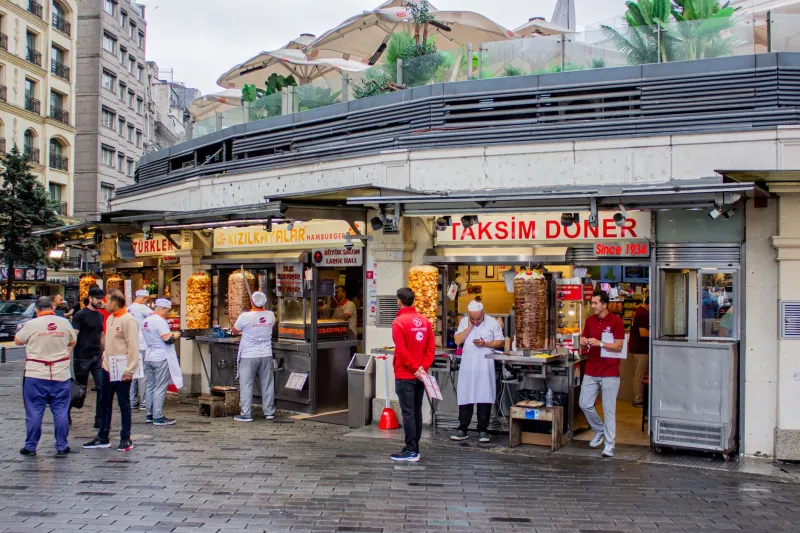
Even food moved faster. Simit carts are appearing in New York and LA the way arepa stands did a decade ago. Turkish breakfast — a spread, an event, a two-hour commitment — is now a brunch category with its own hashtags. Egyptian street food docuseries have turned koshary and feteer into items American food tourists arrive in Cairo already knowing how to order.
The Lifestyle Is the Export
What's genuinely new here isn't that foreign culture sells — Hollywood built a century on that. It's the direction of desire. For decades, the pipeline ran one way: American lifestyle flowed outward, and the rest of the world consumed it. Dizis, K-dramas, and Arabic series cracked that monopoly by proving that American audiences would happily binge a life that looks nothing like theirs — and then shop for it.
This is why the smartest exporters in Istanbul, Beirut, and Cairo aren't thinking like studios anymore. They're thinking like brands. Turkish production companies now launch fashion lines and tourism partnerships alongside their shows. Egyptian content creators build food brands on the back of a docuseries. The screen is the top of a funnel that ends, very concretely, in a checkout cart.
The Borrowing Problem
But here's my reservation, and I'll make it plainly: America has a long habit of consuming a culture's products while skipping its people. The nazar became a fast-fashion earring without anyone asking what it means. The hammam became "a spa trend." Simit is being rebranded as "the Turkish bagel" by outlets that should know better.
There's a version of this wave where Middle Eastern and Turkish creators, designers, and chefs are the ones who get rich off it — where the dizi viewer books the Cappadocia trip with a Turkish tour operator, buys the rug from a kilim house in Gaziantep's diaspora, and learns that simit is not a bagel, it's a whole street ritual. And there's a version where the aesthetic gets strip-mined, the attribution gets lost, and the culture becomes a vibe.
The difference is mostly a matter of who's behind the counter. Right now, the signs are mixed but leaning hopeful — largely because diaspora communities sit at the exact junction where the pipeline crosses American soil. The Turkish-American chef, the Palestinian-American designer, the Egyptian-American filmmaker: they're the translators this moment requires, and increasingly, the owners of it.
What to Watch Next
If dizis were wave one, wave two is infrastructure. Watch for Turkish travel becoming a default American honeymoon and girls'-trip destination. Watch for Middle Eastern fashion houses doing serious US retail. Watch for the food docuseries pipeline — Egypt, Lebanon, Gaziantep — to do to regional cuisines what Chef's Table did for fine dining.
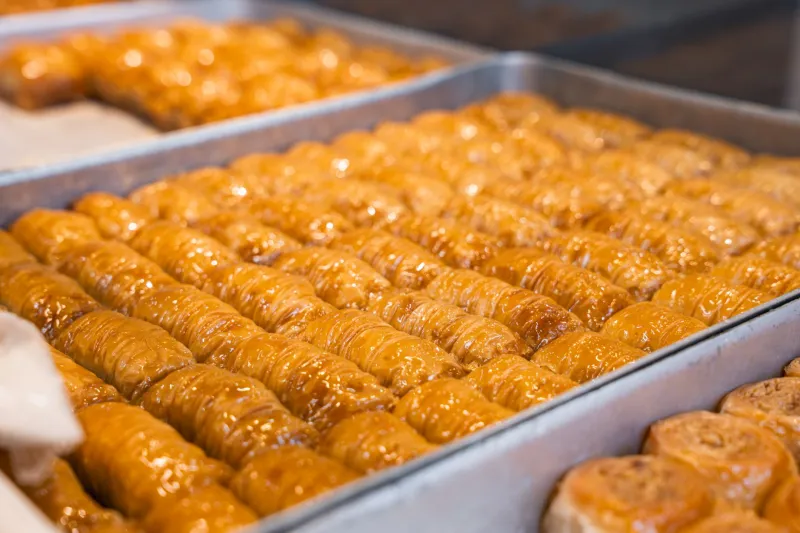
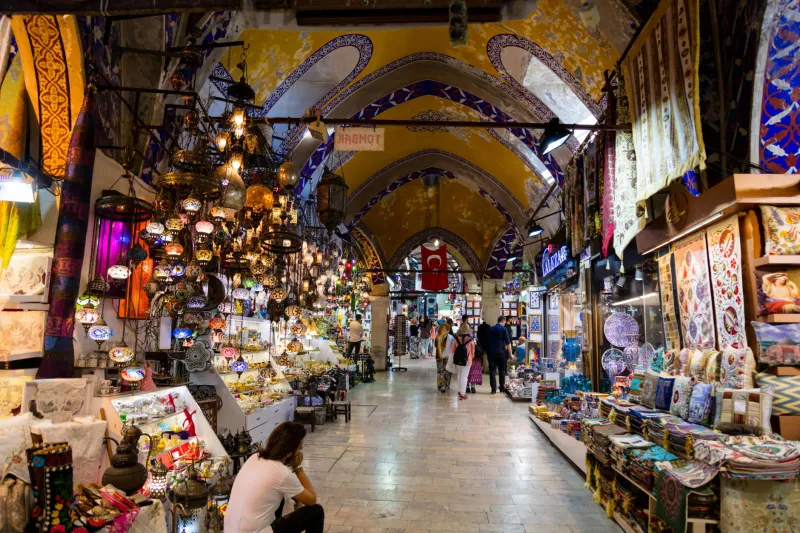
And watch how Americans talk about all of it. The test of a real cultural exchange isn't whether we'll buy the rug. It's whether we'll learn what it's called, who made it, and why it matters. The screen got us in the door. What we do in the souk is up to us.