Moms, Mangoes, and Microphone Checks: Inside the Arab American Comedy Boom
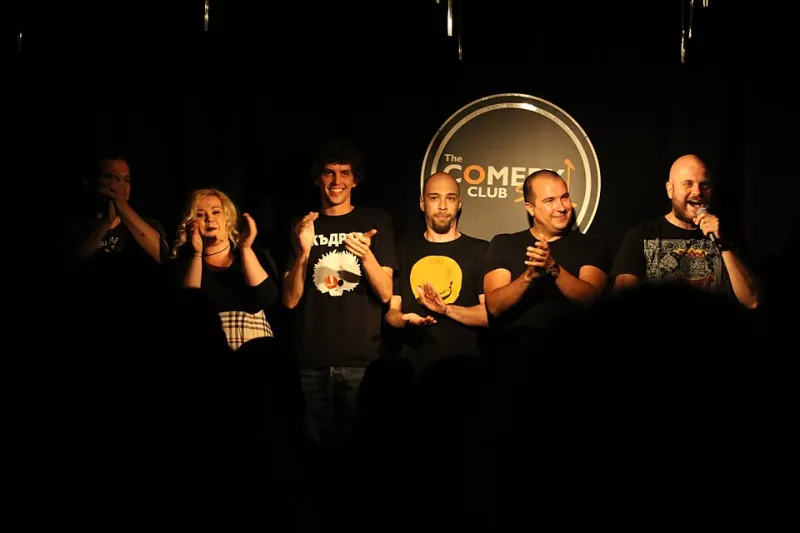
Photo: Stanimira dimitrova, CC BY-SA 4.0, via Wikimedia Commons
The club is sold out on a Tuesday. Let that sink in. A Tuesday.
The crowd is a mix — second-generation Arab Americans up front, curious neighbors behind them, a table of aunties who came "just to see" and are now the loudest people in the room. When the comedian walks up and opens with a line about her mother interrogating her about marriage while simultaneously asking if she's eating enough, the place detonates. Everyone in that audience has lived this scene. Half of them lived it this week.
This is the Arab American open mic circuit, and right now it might be the most electric comedy scene in the country.
The Material Writes Itself (Thanks, Mom)
Every comedy scene has its well of material. This one has a geyser.
The bits that kill hardest follow a shared grammar: the bilingual household where arguments switch languages mid-sentence for maximum impact. The overprotective mother who tracks your location and still asks where you are. The father who communicates exclusively through sighs and offers of food. The airport security experience that deserves its own Netflix special — and, increasingly, has gotten one.
What makes it land isn't just recognition, it's specificity. The best of these comics aren't doing generic "my immigrant parents" material — they're naming the exact brand of mango pulp, the exact aunt, the exact tone of voice that means the conversation about your future has begun. Specificity is what great comedy has always been, and diaspora life is nothing if not specific.
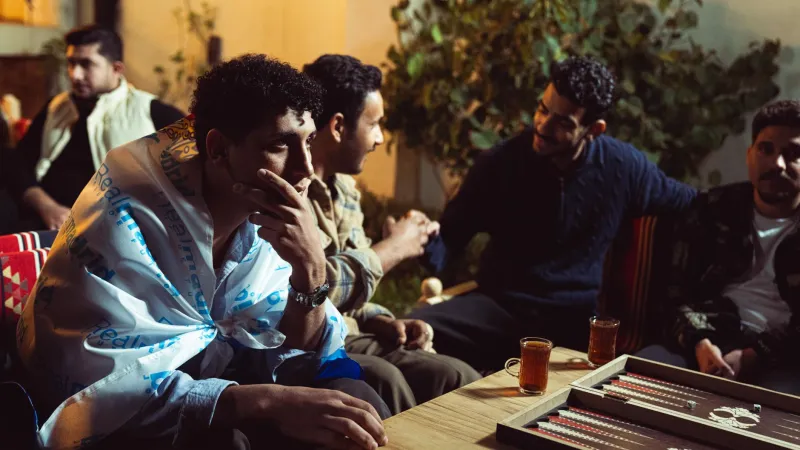
The Turkish American side of the scene runs a parallel track: the tea glass that's somehow always empty and always full, the mother who expresses love exclusively through criticism of your jacket, the way every gathering ends with someone force-feeding you "just a little more" while insisting you've barely eaten.
From the Back of the Room to Sold-Out Rooms
What started as open mics in community centers and halal restaurants — because where else do you get stage time when mainstream clubs book you twice a year — has grown into something with real momentum. Dearborn has its regular showcases. Bay Ridge packs basements and back rooms. LA's scene bleeds into the mainstream comedy clubs, where these comics now get featured spots instead of just guest sets.
Social media did what open mics alone never could. A sixty-second clip of a joke about a mother-in-law can travel from Dearborn to Dubai in a day. Comics who built followings posting crowd work videos now headline rooms full of strangers who already know their mom's catchphrase. The clip economy turned a neighborhood scene into a national one.
And the audiences have grown past the diaspora. Non-Middle Eastern crowds show up because the clips are funny, then discover the deeper layer. That's the quiet genius of the whole thing — the jokes are doors. You laugh at the mom bit as an outsider, and twenty minutes later you're laughing about the uncle, and an hour later you understand something about a community you'd only seen through news coverage.
Why This Moment, Why Now
There's a long tradition of immigrant comedy in America — the Jewish Catskills, the Latin comedy boom, the Asian American wave of the last decade. Each one marked a community moving from the margins of the culture to the center of the conversation, using the microphone as the handshake.
The Arab and Turkish American scene is following the same arc, with one difference: it arrived fully formed in the streaming age. There was no gatekeeping period where the community had to be explained to America first. The clips went up, the laughs came in, the rooms filled. Identity humor that once needed a translator now needs nothing but a phone camera and a punchline.
There's also something deeper going on. For a generation raised navigating suspicion, code-switching, and the low hum of being misunderstood, comedy is a reclamation. Standing on stage and making a sold-out room laugh at the exact things that used to make you flinch — that's not just material. That's alchemy.
Come for the Jokes, Leave With a Community
Ask the comics what they want and the answer is refreshingly unglamorous: bigger rooms, better sets, and for the aunties to stop giving notes after the show. But watch the audiences file out — mixed tables, mixed laughter, everybody texting the same clip — and it's clear something bigger is happening.
America has always figured out its newest communities through its comedians. The ones telling the mom jokes in Dearborn and Bay Ridge right now aren't just working on their five-minute sets. They're writing the country's next favorite story about itself — one punchline, one packed Tuesday, at a time.